The post The Monasteries of Serbia Tour appeared first on Trip2Balkan.
]]>For many centuries, Serbian monasteries stands tall as the guardians of the tradition and past. Manasija monastery is one of the most significant monuments of Serbian medieval culture. It belongs to the so-called “Moravian school”. which Stefan Lazarevic built it in 15 century. Immediately after its foundation, Manasija became a cultural center of the state. Today many tourists visit the monastery, enjoying it’s high walls and unspoiled nature
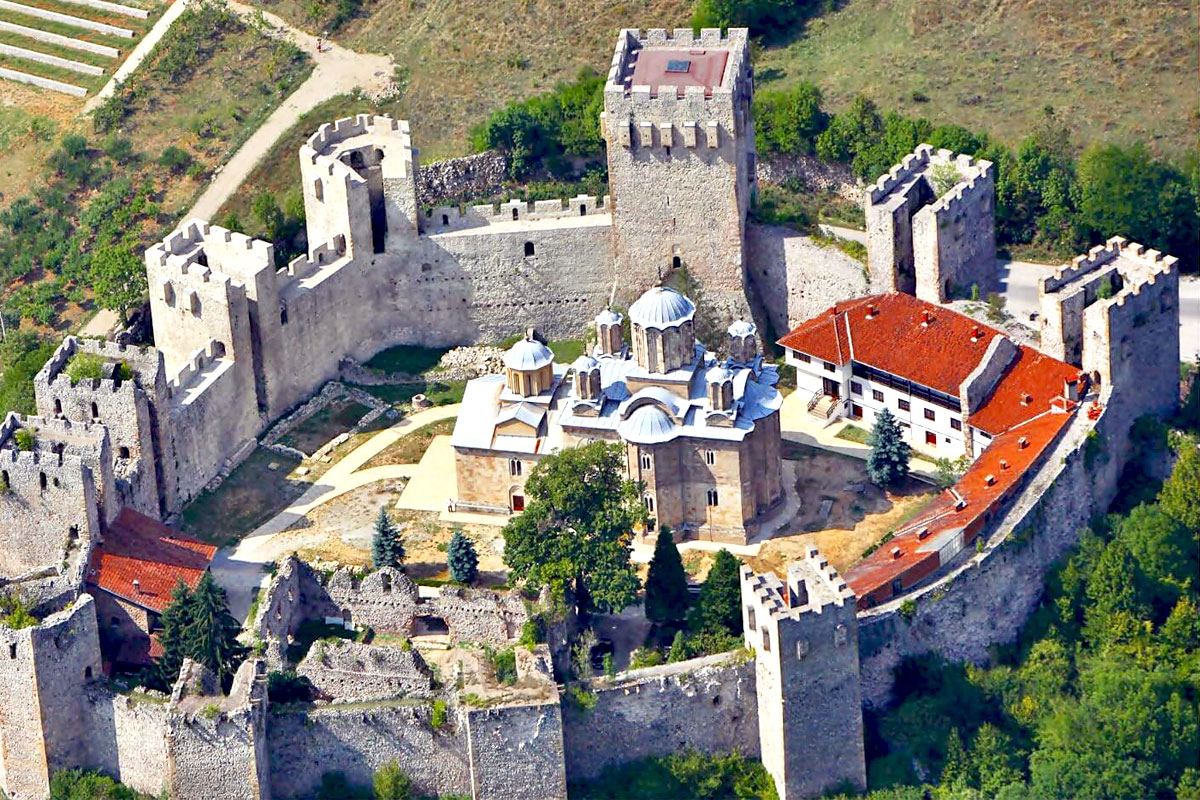
photo by Galaxy Drone Team
Monastery Ravanica is a Serbian Orthodox monastery in Central Serbia. II was an endowment of prince Lazar of Serbia, who is buried there. Republic of Serbia declared Ravanica as Monument of Culture of Exceptional Importance in 1979.
Equally important, Lazarica church, named after its founder, Prince Lazar. It is located within confines of the Kruševac citadel. This church became an example for other churches in “Morava school” of architecture. We will also visit the National Museum and monument dedicated to heroes of Kosovo battle against Turks.
The Art of Religion
A monastery is laying on a grassy clearing on the left bank of the Ljubostinja river. It was the foundation of Princess Milica, the wife of Prince Lazar. Ljubostinja monastery marks the highest peak of Serbian artistic development in the period, immediately preceding the collapse of Serbia as an independent state.
The monastery complex comprises numerous buildings and encircled by a high defensive wall. The artistic treasure of Studenica is a priceless cultural and aesthetic heritage. Owing to its importance in 1986 UNESCO registrated Studenica in the world cultural heritage.
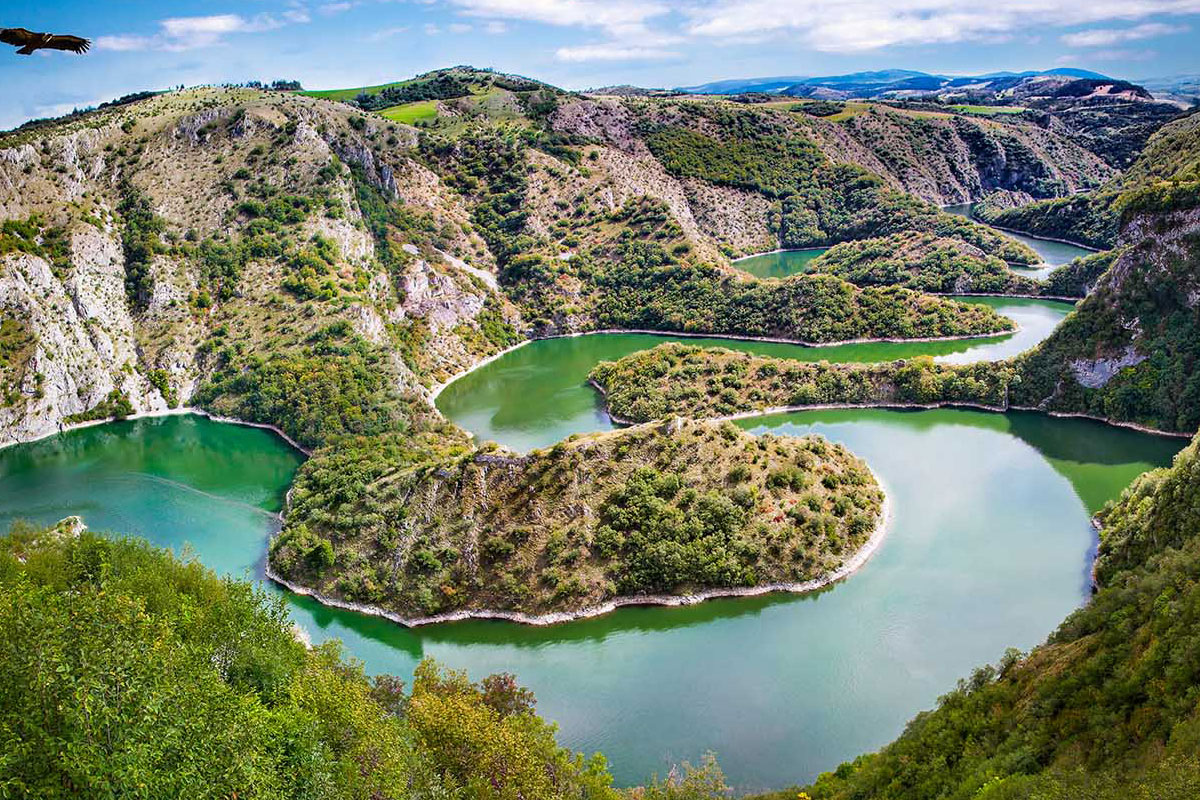
Uvac originates in Emperor’s village, at some 1460 meters above the sea level. It empties into the Lim river at around 440 meters above the sea level. Uvac lake was created by building a dam, at the altitude of 985 meters. The dam is 160 meters long and 110 meters high, length of the lake is 25 km.
Topola is a town in the very heart of Sumadija, in the vineyards area, known for the world famous wine production. This town was the center of many historical events during the 18th, 19th and 20th century. There is a complex comprising of the St. George Church, the Karadjordjevic Dynasty Mausoleum and the house of the royal family Karadjordjevic. Famous mosaics in the Church and in the crypt are the best achievements of fresco painting in Serbia. In the crypt there are the relics of the Karadjordjevic dynasty. The white marble from Carara in Italy is covering the Mausoleum.
The post The Monasteries of Serbia Tour appeared first on Trip2Balkan.
]]>The post Vineyards of Vrsac appeared first on Trip2Balkan.
]]>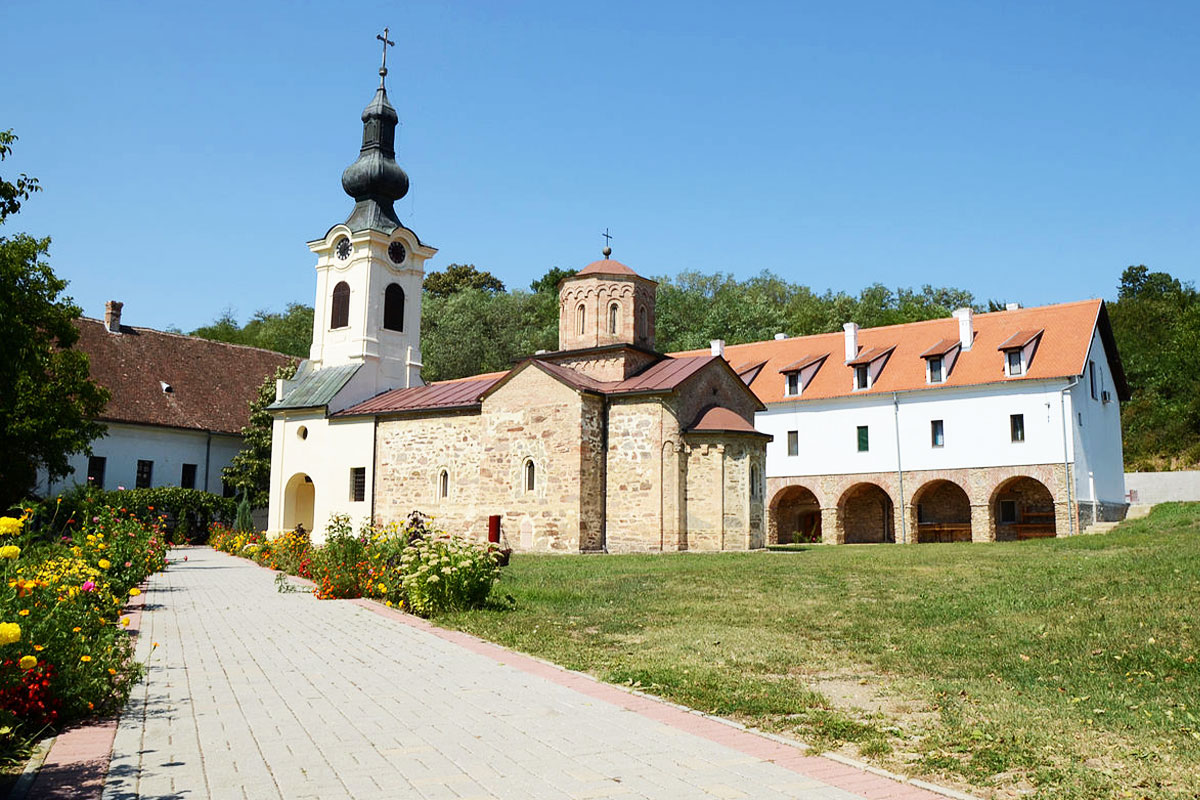
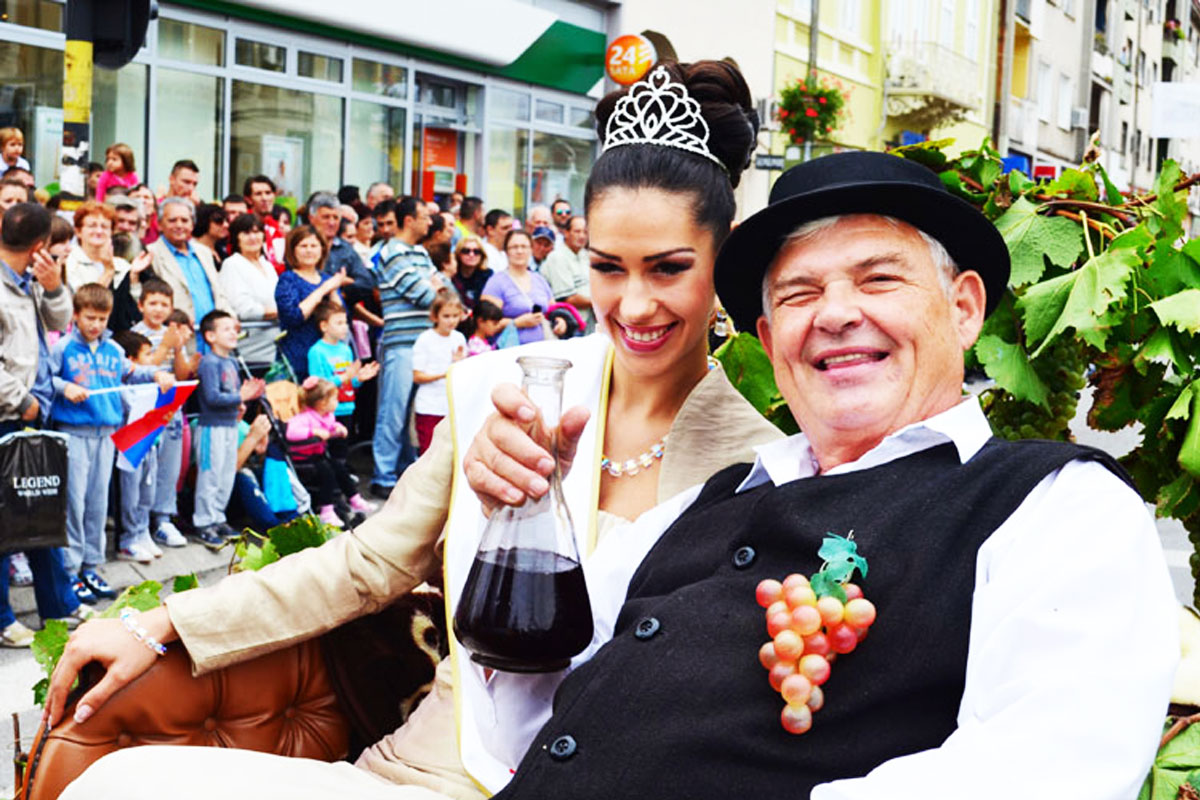
The architecture of Vrsac abounds in various styles that carry the history of the city. Among them are the most common baroque and secession. The first exhibition of wine in Vrsac was held in the cafe “Two Keys”, 1857. At the end of the 19th century there were more than 10,000 ha of vineyards in Vrsac. There is a wine knight’s order “St. Theodor”, which got its name by the protector of the city. Vrsac harvest, known iby the locals as “Grape ball”, has a long tradition. Every year, on the third weekend in September, there is the traditional “Wine Fest” – a fair of wine, winegrowers and winegrowers.
The combination of peaceful Banat plains and lush greenery of the Vrsac mountains, is the main reason for the authentic and sophisticated taste of wines from this region. If we add this to the altitude of 90-250 meters and moderately continental climate, we get the ideal conditions for growing the vines.
The post Vineyards of Vrsac appeared first on Trip2Balkan.
]]>